
The Ultimate Guide to Lab-Grown Diamonds: Everything You Need to Know
Table of Contents
- What Exactly is a Lab-Grown Diamond?
- Are Lab Diamonds Tacky?
- What Are the Best Value Lab Grown Diamonds in the USA?
- Why US Buyers are Switching in 2026
- How They are Grown: CVD vs. HPHT
- The 4Cs: Expert Tips for Maximum Shine
- Hidden Quality Factors & Certification
- Lab Diamond vs. Moissanite: Which One Should You Choose?
- Common Mistakes to Avoid
- Ready to Choose Your Diamond?
- Frequently Asked Questions
Buying a diamond is one of the most significant emotional and financial decisions you will ever make. For most Americans, it’s not just about the jewelry; it’s about a promise, a memory, or the beginning of a lifelong journey together.
However, the diamond industry can be confusing. You step into a store or browse online, and suddenly you are hit with technical terms like "Type IIa," "Fluorescence," or "CVD."
By 2026, the landscape has completely shifted. Over 55% of engagement rings in the US now feature lab-grown diamonds. This guide is built to help you navigate this new world, understand the true value, and show you how to get a bigger stone with better light reflection for a fraction of the cost.
What Exactly is a Lab-Grown Diamond?

To keep it very simple: A lab-grown diamond is a real diamond. According to the Gemological Institute of America (GIA), lab-grown diamonds have the same physical, chemical, and optical properties as natural diamonds.
Think of it like ice. You can get ice from a frozen lake in nature, or you can get ice from your freezer at home. Both are made of H2O. Both look, feel, and act exactly the same. The only difference is where they were formed.
A lab-grown diamond is created using pure carbon. It has the same:
-
Hardness: It scores a 10 on the Mohs scale, making it the hardest material on Earth.
-
Brightness: It reflects light in the exact same way as a mined stone.
-
Chemical DNA: Under a microscope, it is identical to a mined diamond.
The FTC Ruling: The Federal Trade Commission (FTC) also recognizes lab-grown diamonds as real diamonds. Whether grown in a lab or mined from the earth, it is legally and physically a diamond.
Are Lab Diamonds Tacky?

This is a very popular question in the US right now, and the simple answer is: No, they are not.
In the past, people worried that anything "man-made" was inferior. But lab diamonds are not fake or "simulated" like Cubic Zirconia. Since they offer the same look and same appearance as natural diamonds, there is no visible difference even to a professional jeweler's naked eye.
In fact, many buyers today see lab diamonds as a smarter and more modern choice. Choosing a lab-grown stone means you are prioritizing quality and appearance over an outdated tradition of mining.
At Cheriva Jewels, we help customers find high-quality lab-grown diamonds that offer better size and value compared to traditional options.
It’s not tacky to be financially smart.
What Are the Best Value Lab Grown Diamonds in the USA?
If you want the best value lab grown diamonds USA, focus on this specific combination of the 4Cs:
-
Cut: Excellent or Ideal (This ensures maximum light reflection)
-
Color: G or H (Looks perfectly white to the eye)
-
Clarity: VS1 or VS2 (Eye-clean, no visible marks)
-
Carat: Slightly under-size (The 1.90ct hack)
This combination gives you the absolute best balance of size, appearance, and price. If you are exploring options, you can browse different lab grown diamond engagement rings online to compare sizes and styles.
Why US Buyers are Switching in 2026
The American market is driven by Value, Ethics, and Intelligence. This is why many buyers searching for the best value lab grown diamonds USA are now choosing lab-grown over natural options.
Value for Money (Lab Diamond Pricing Scenario)
Lab diamonds cost about 60% to 80% less than natural ones.
-
Scenario A (Natural): For $5,000, you might get a high-quality 0.80-carat natural diamond.
-
Scenario B (Lab-Grown): For that same $5,000, you could get a stunning 2.50 or 3.00-carat diamond with much better color and clarity.
The "Bigger is Better" Trend
In 2026, the average carat size for lab grown diamond engagement rings online has moved from 1.0ct to 2.0ct. Technology has made this "upgrade" accessible for everyone.
How They are Grown: CVD vs. HPHT
There are two primary methods to grow a diamond. Knowing the difference helps you pick a higher-quality stone.

-
CVD (Chemical Vapor Deposition)
CVD is the newer and more advanced method used in most high-quality lab diamonds today.
Here’s how it works in simple terms:
A very small piece of diamond, called a “seed,” is placed inside a sealed chamber. The chamber is filled with carbon-rich gas, usually methane. Then heat is applied.
As the gas breaks down, pure carbon atoms slowly attach to the seed. Over time, layer by layer, the diamond grows. This process is controlled very carefully, which allows better results.
Why CVD is preferred in 2026:
- Better control over clarity and color
- Fewer internal defects
- Produces high-purity diamonds (Type IIa quality)
- Ideal for larger and cleaner stones
Because of this control, most premium lab-grown diamonds you see online today are made using CVD.
-
HPHT (High Pressure High Temperature)
HPHT is the older method and works by copying how diamonds form naturally inside the Earth.
In this process, carbon is placed under extremely high pressure and temperature. This environment forces the carbon to turn into a diamond, similar to how natural diamonds are formed deep underground.
Things to know about HPHT:
- It can produce strong and real diamonds
- Sometimes used to improve color in diamonds
- May contain tiny metallic traces from the process
- In rare cases, it can show a slight blue or gray tone
HPHT diamonds are still used in the market, but they are less common for high-end jewelry compared to CVD.
The 4Cs: Expert Tips for Maximum Shine
When you’re buying a diamond, it’s easy to get lost in certificates and technical grades. But in real life, what matters most is how the diamond actually looks to your eyes.
The 4Cs — Cut, Color, Clarity, and Carat — decide both the appearance and the price. The key is knowing where to spend and where to save.

Cut (Most Important Factor)
Cut is the biggest reason a diamond looks bright and lively. Even a large diamond can look dull if the cut is poor.
A well-cut diamond reflects light properly, which is what gives it that strong, clean shine.
What to choose:
- Ideal or Excellent cut (always)
What to avoid:
- Good or Fair cut (they can look flat or glassy)
If you upgrade only one thing, upgrade the cut. This is where most of the visual impact comes from.
Color (Where You Can Save Money)
Color refers to how white or colorless the diamond looks. The scale starts from D (completely colorless) and goes down.
Most people think they need a D color, but in real life, the difference is almost impossible to see once the diamond is set in a ring.
Best value choice:
- G or H color → looks white to the eye
What to avoid:
- J or lower → may show a slight yellow or brown tint, especially in certain lighting
Choosing G or H instead of D can save you a significant amount without changing how the diamond looks.


Clarity (Focus on “Eye-Clean”)
Clarity measures small internal marks (inclusions) inside the diamond. But here’s the important part — most of these are not visible without magnification.
You don’t need a “perfect” diamond. You just need one that looks clean to the naked eye.
Best value choice:
- VS1 or VS2 → no visible flaws to the eye
Optional:
- SI1 → sometimes a good deal if it is still eye-clean
Avoid:
- Very low clarity grades where marks are visible
Paying extra for Flawless or VVS grades usually doesn’t change what you actually see.
Carat (Size vs Smart Buying)
Carat refers to the weight (size) of the diamond. Bigger diamonds cost more, but pricing doesn’t increase evenly — it jumps at certain points.
Smart buying tip (very popular in the US):
- Buy slightly under a full number
- Example: 1.90ct instead of 2.00ct
It looks almost the same in size but can cost much less.
This is one of the easiest ways to stay in budget while still getting a larger-looking diamond.
Smart Tip (The Under-Size Hack)
US buyers use this secret to save big: Instead of buying a 2.00-carat diamond, choose a 1.90-carat. It looks almost the same size to the naked eye but costs significantly less because it falls just below the "whole number" price jump.
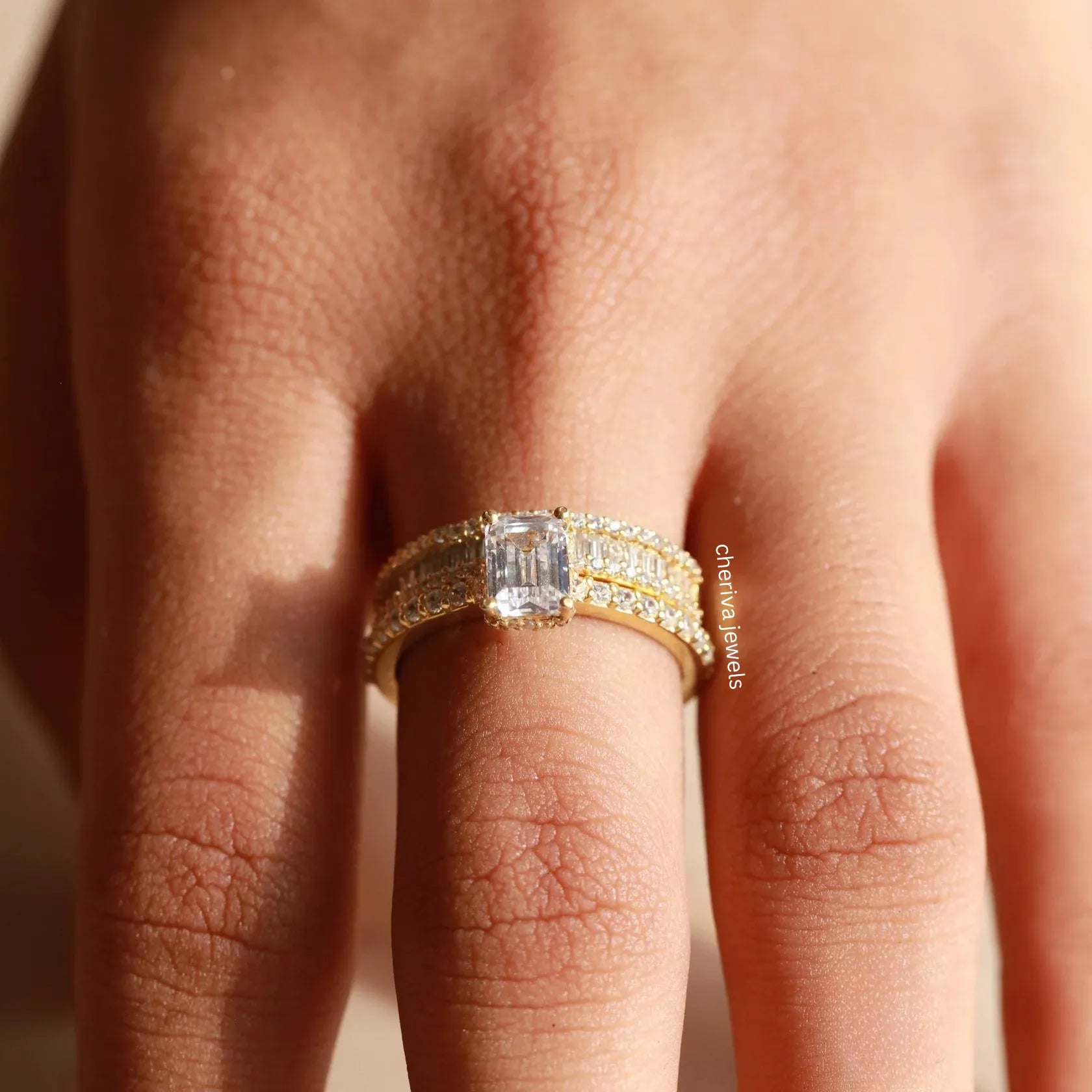
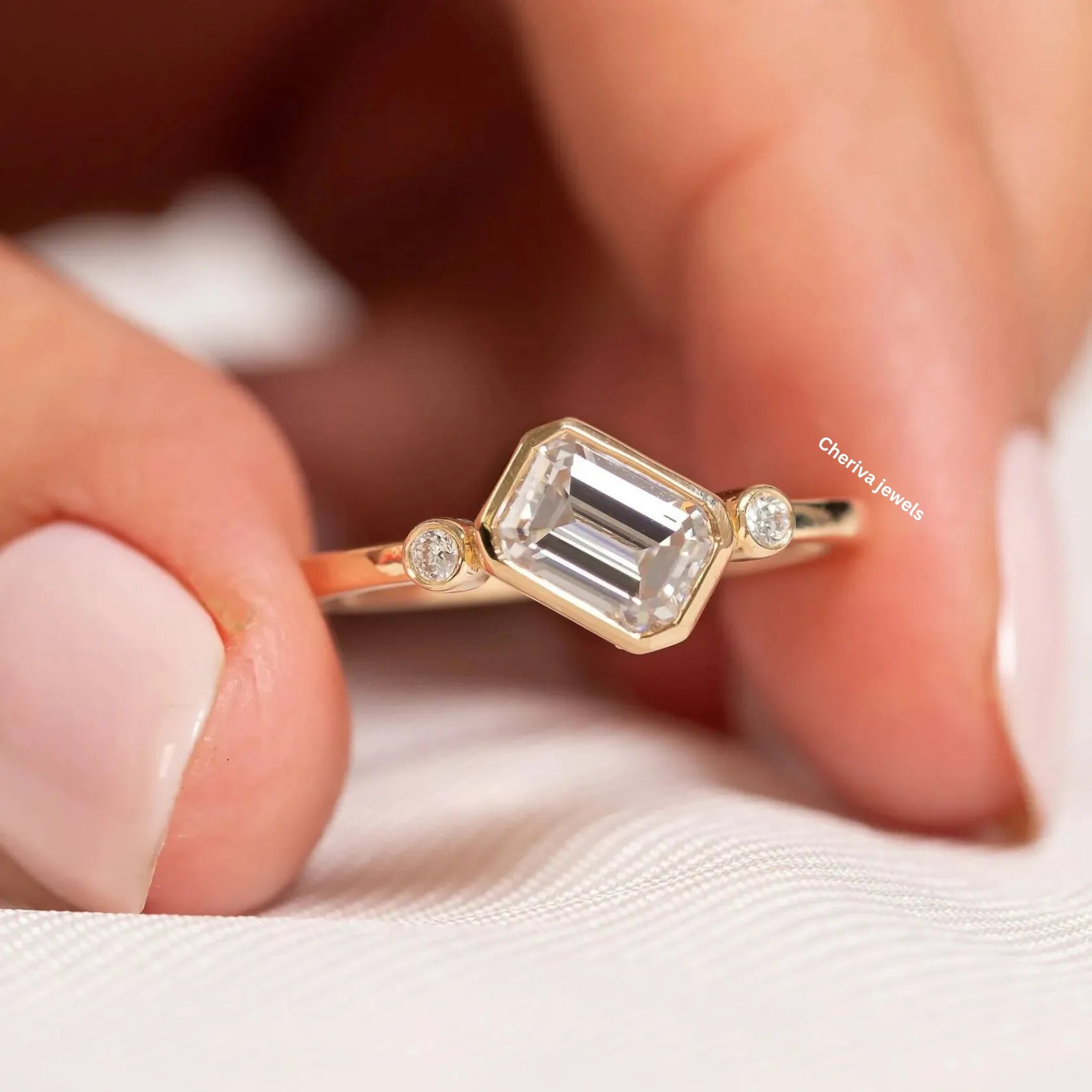
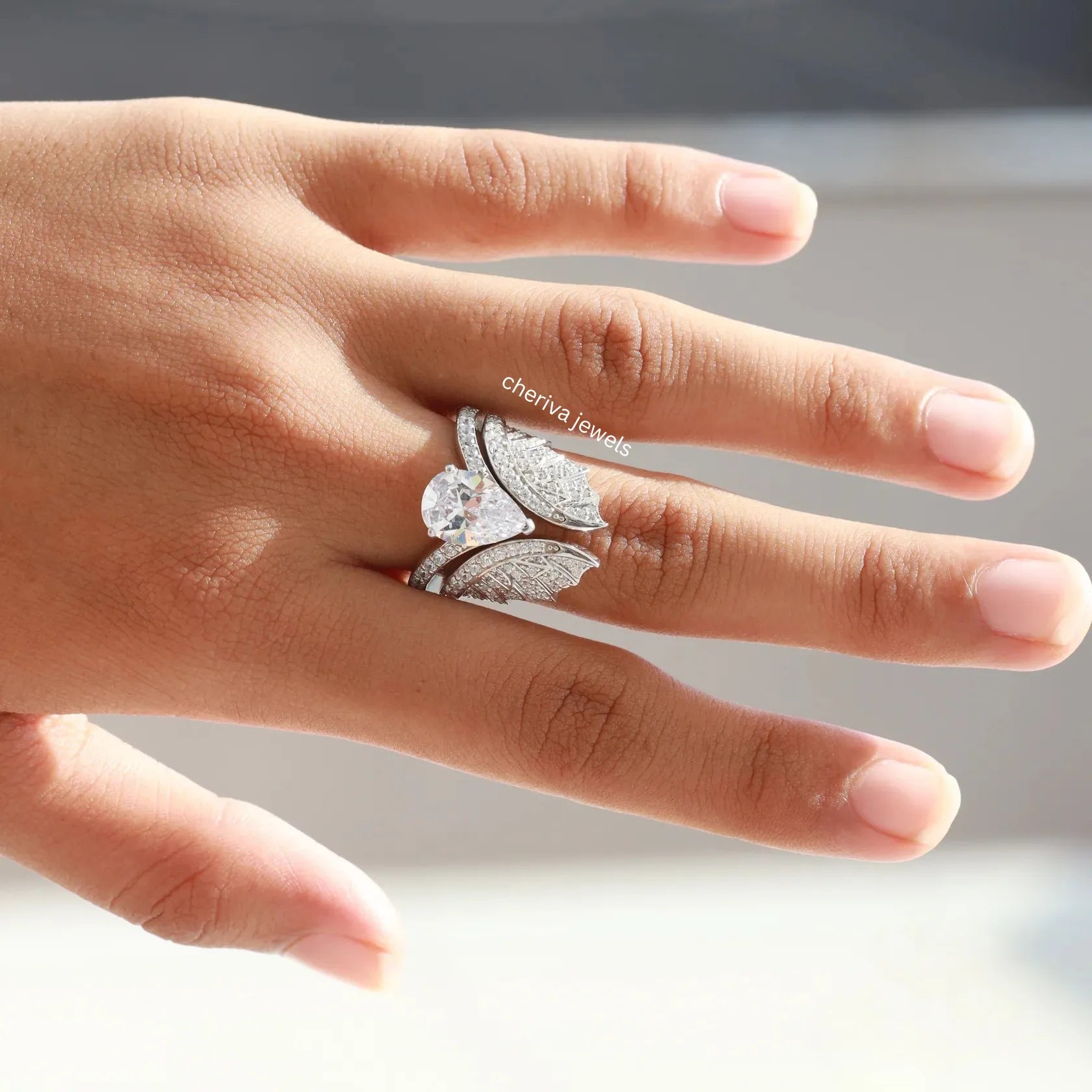
If you're comparing options and want to see how different sizes, shapes, and styles look in real life, you can explore our full collection of lab grown diamonds to find a design that fits your style and budget.
Explore Lab Grown DiamondsHidden Quality Factors & Certification
Beyond the 4Cs, look for these hidden details:
-
Blue Nuance: Avoid HPHT diamonds with a blue glow to keep the look natural.
-
Certification: Never buy without a report from IGI or GIA. IGI vs GIA for lab diamonds in US is a common debate; both are trusted, but IGI is often more detailed for lab-grown stones.
-
Diamond Tester: Yes, lab diamonds will pass every tester because they are real carbon.
Lab Diamond vs. Moissanite: Which One Should You Choose?

When comparing lab grown diamonds vs moissanite, many buyers get confused because both options look similar at first glance. However, they are completely different materials.
A lab-grown diamond is made of pure carbon, just like a natural diamond. Moissanite, on the other hand, is made of silicon carbide.
The biggest difference is in how they reflect light.
- Lab grown diamonds have a natural, clean white light reflection
- Moissanite produces more rainbow flashes, often called a “disco ball effect”
In certain lighting, moissanite can look overly colorful, which some buyers don’t prefer for engagement rings.
Another key difference is durability:
- Lab diamonds: 10/10 hardness (same as natural diamonds)
- Moissanite: 9.25 hardness (still strong, but not the same)
If your goal is to buy a real diamond with natural appearance, lab-grown diamonds are the better choice.
If you want a lower-budget option and don’t mind the rainbow effect, moissanite can work.
The “Resale Value” Truth (What Most Buyers Don’t Know)
One of the most searched questions is:
“Do lab grown diamonds have resale value?”
The honest answer is simple — lab-grown diamonds are not a financial investment, but neither are most natural diamonds.
Here’s the reality in the US market:
- Natural diamonds lose 40–60% value after purchase
- Lab diamonds are already priced lower, so you avoid overpaying
For example:
- If you spend $10,000 on a natural diamond, resale may be around $4,000–$6,000
- If you spend $2,500 on a lab-grown diamond, you already saved thousands upfront
So instead of thinking about resale, think about value at the time of purchase
This is why many buyers searching for lab grown diamond value USA are choosing lab diamonds — because the real benefit is the money you save on day one.
Sustainability: Why Lab Diamonds Are a Better Choice in 2026
Today’s buyers, especially in the US, care about where their products come from. This is one of the biggest reasons behind the rise of lab grown diamond engagement rings online.
Lab-grown diamonds are considered a more responsible option because:
- No large-scale mining is required
- Less land disruption
- Lower water usage compared to mined diamonds
- Fully conflict-free (no risk of unethical sourcing)
Many younger buyers (Gen Z and Millennials) prefer lab diamonds because they align with modern values like sustainability and transparency.
This is why lab diamonds are often seen as a smarter and more responsible choice in 2026.
Insurance and Maintenance in the USA
Another common concern is:
“Can lab grown diamonds be insured?”
The answer is yes.
In the US, lab-grown diamonds can be insured just like natural diamonds. Major providers like Jewelers Mutual offer coverage for theft, loss, or damage.
Maintenance is also simple:
- Clean with warm water and mild soap
- Use a soft brush to remove dirt
- Avoid harsh chemicals
Because diamonds are the hardest material (10/10 on the Mohs scale), they are very durable and suitable for everyday wear.
This makes lab grown diamond engagement rings a practical choice for daily use.
Simple Takeaway
- Lab diamonds = real diamond + better value
- Moissanite = cheaper alternative with different look
- Resale value = not important, focus on savings
- Sustainability = strong reason buyers are switching
- Insurance = easy and available in the US
If you want the best balance of appearance, durability, and value, lab-grown diamonds are the smarter choice today.
Common Mistakes to Avoid
❌ Buying without Certification.
❌ Ignoring the Cut: A poor cut makes even a big diamond look dull.
❌ Ignoring the Setting: Ensure you choose a solid 14k/18k gold or Platinum setting to stay secure.
Ready to Choose Your Diamond?
Finding the right diamond does not have to be complicated. If you want better size, better quality, and real value, lab-grown diamonds are the smart choice today.
Take your time, compare options, and choose what truly feels right.
Explore our collection of lab grown diamond engagement rings online and find a design that fits your style and budget. Make a confident choice today with a diamond that offers both beauty and value.
Find the Right Diamond for Your Story
Compare sizes, styles, and prices to choose a lab-grown diamond that fits your budget and lifestyle. You can also explore our full collection of lab grown diamonds to see real options and make a confident choice.
Shop Lab Grown Diamonds JewelryAbout the Author
Written by a jewelry consultant with experience in the US diamond market, including lab diamond sourcing, pricing trends, and customer buying behavior.
About Cheriva Jewels
We are a USA-based brand bringing the future of jewelry to you. Our mission is to provide every couple with the luxury they deserve at a price they can afford.
Frequently Asked Questions
Lab grown diamonds are 100% real diamonds. They are composed of pure carbon and share the exact same physical, chemical, and optical properties as mined diamonds. According to the FTC, a diamond is a diamond regardless of whether it originates from a lab or the earth.
It is extremely difficult to tell the difference with the naked eye. Even experienced jewelers cannot distinguish them using a standard magnifying loupe. Only specialized lab equipment that detects nitrogen levels can identify the difference.
Never. Lab grown diamonds are chemically identical to natural diamonds (scoring 10/10 on the Mohs scale). They will never get cloudy, fade, or lose their brightness, even after decades of daily wear.
Lab grown diamonds are more affordable because they are produced in controlled environments without the high cost of mining, transportation, and middlemen. This allows buyers to get better size and quality at a lower price.
Like most luxury goods, both lab and natural diamonds lose value the moment you leave the store. While natural diamonds have a higher "resale percentage," lab diamonds offer a much higher upfront saving. You effectively "save" thousands of dollars on day one.
Absolutely not. In 2026, lab diamonds are seen as a smart and ethical choice. More than half of American couples now choose lab-grown stones for their engagement rings because they prioritize sustainability.
Both produce genuine diamonds. However, CVD is often preferred for premium jewelry in 2026 as it typically results in Type IIa purity—the same purity found in only 2% of natural diamonds.
Yes, 100%. Because they are grown in controlled laboratory environments using clean technology, they have zero association with the environmental or ethical issues linked to mining.
Yes. Since they are made of the same carbon material as mined diamonds, they will pass any standard thermal or electrical diamond tester used by jewelry stores.
Lab grown diamonds are an excellent choice for engagement rings. They offer the same durability, appearance, and long-term wear as natural diamonds while fitting better within your budget.
